Case Study
Preventing Seawater Ingress During Pipeline Installation
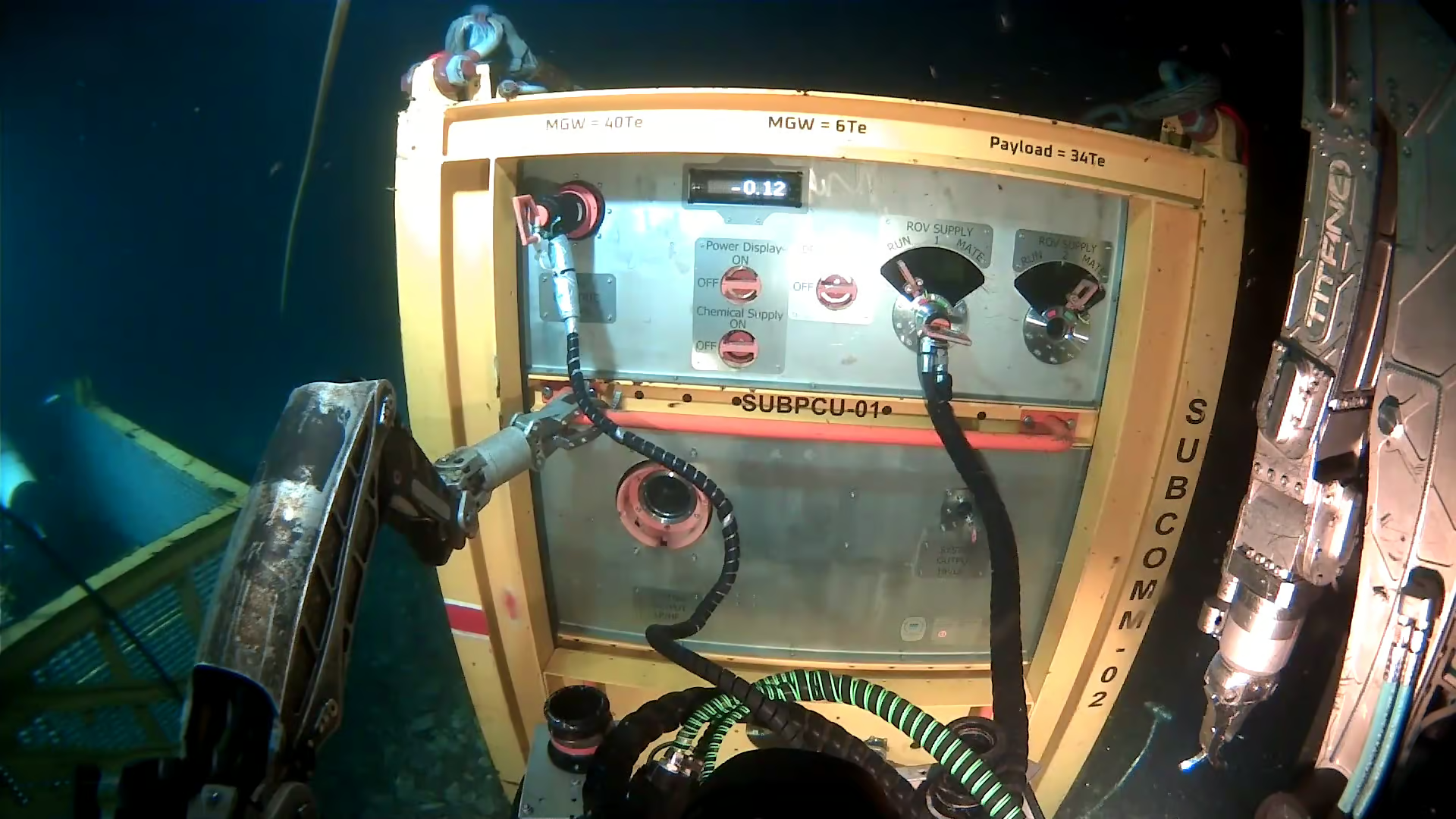
The SubComm system was used to establish a temporary subsea gel barrier, preventing seawater ingress during pipeline installation and enabling safe completion of the operation.

Seawater Ingress Prevention using Subsea Gel Barrier
Challenge
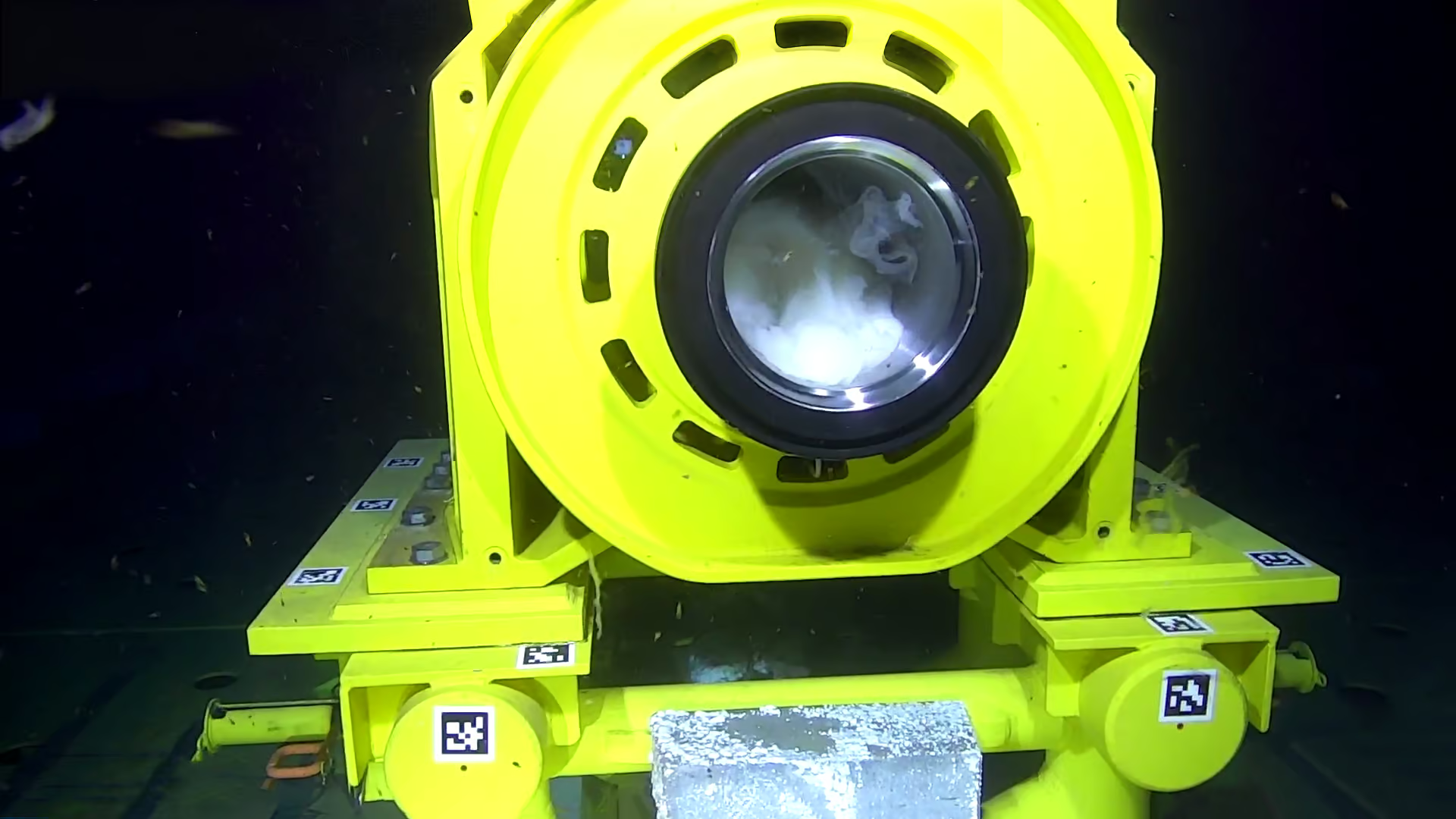
During installation of a 14” pipeline-in-pipe (PiP) system approximately 1350 m water depth and -1°C, the pig receiver needed to be removed without allowing seawater ingress into the pipeline.
This required a reliable temporary barrier solution under extreme subsea conditions, where both temperature and pressure significantly affect fluid behaviour.
A novel approach was proposed: to use the SubComm system to inject a gel slug barrier, combined with a secondary SubComm unit to remove the gel barrier through controlled flushing following installation of HP-cap.
Solution
A specific subsea gelling methodology was developed, including both new equipment and extensive qualification activities.
A specialized gel pump was engineered to handle the high viscosity and complex rheology of the gel.
The development accounted for:
- Changing viscosity during pumping
- Subsea pressure conditions
- Low-temperature behaviour (-1°C)
Result
In 2025, the world’s first subsea gelling operation was successfully executed using the SubComm system.
The operation demonstrated that:
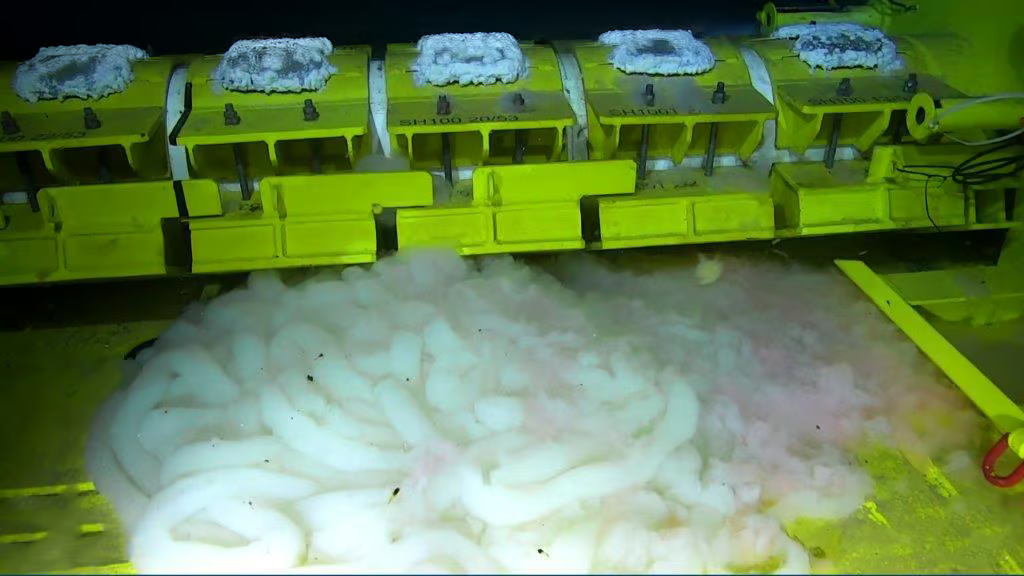
- A stable gel slug can be injected subsea to form an internal pipeline barrier
- Seawater ingress was effectively prevented during critical installation phases
- The gel barrier can be efficiently removed using controlled flushing
This approach delivers a safe, proven, and reliable solution for temporary pipeline isolation in challenging subsea environments. Following this success, additional gelling campaigns was secured.
Gallery