Case Study
Hydrate Plug Dissolvement
Controlled methanol injection and pressure cycling enabled safe and efficient hydrate plug dissolution in a subsea flowline.

Safe Hydrate Plug Removal
Challenge
A hydrate plug was identified in a subsea flowline, posing a significant production risk. The client required solution with fast-track engineering and equipment readiness.
The objective was to dissolve the hydrate plug locally by injecting methanol using the SubComm system.
Solution
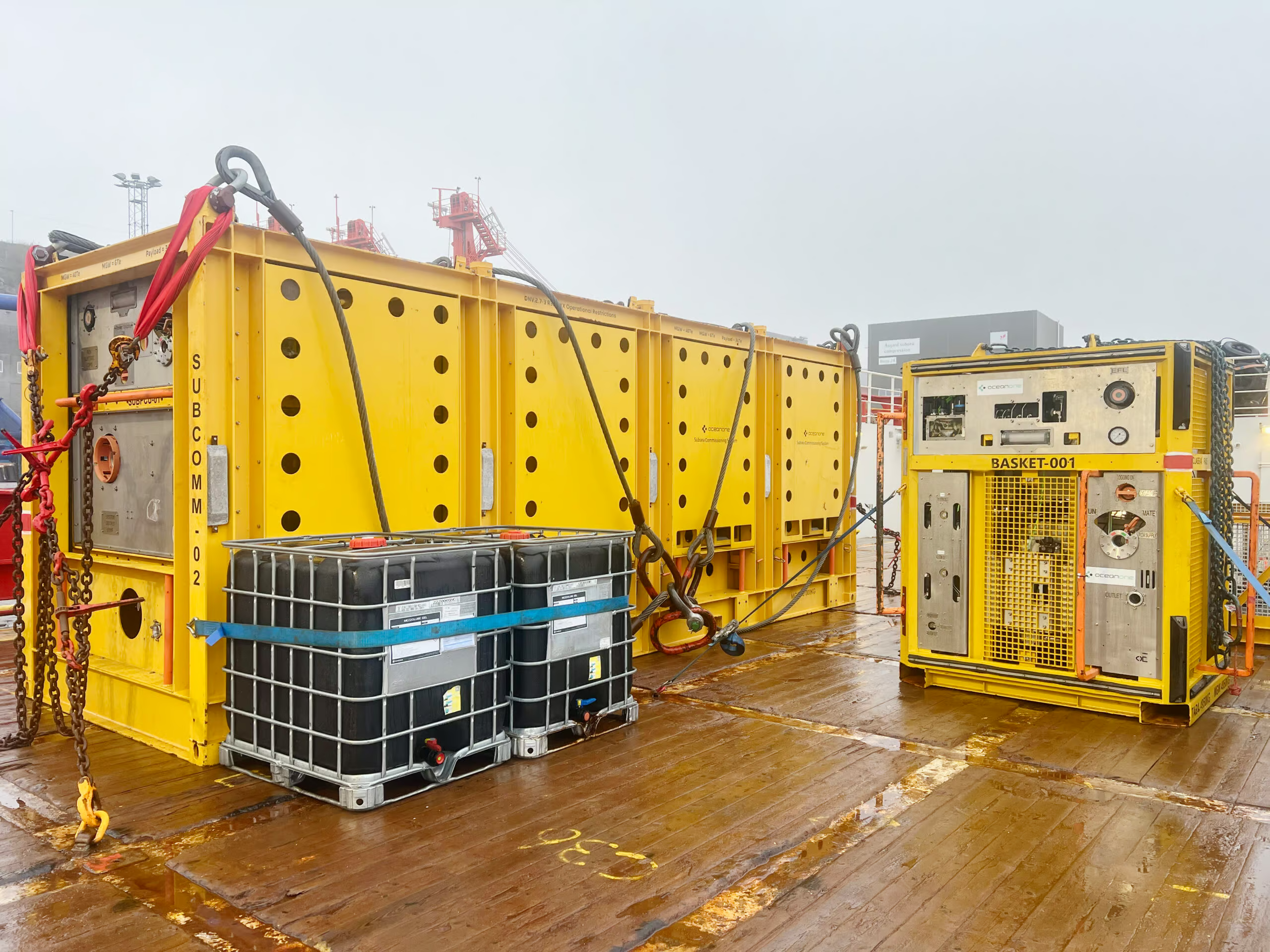
The SubComm system required only minor adjustments to enable methanol injection, demonstrating its flexibility for new applications. Since the system had not previously handled volatile chemicals, effort was dedicated to developing and implementing safe procedures for methanol filling, handling, and subsea storage. This became a key focus area of the operation.
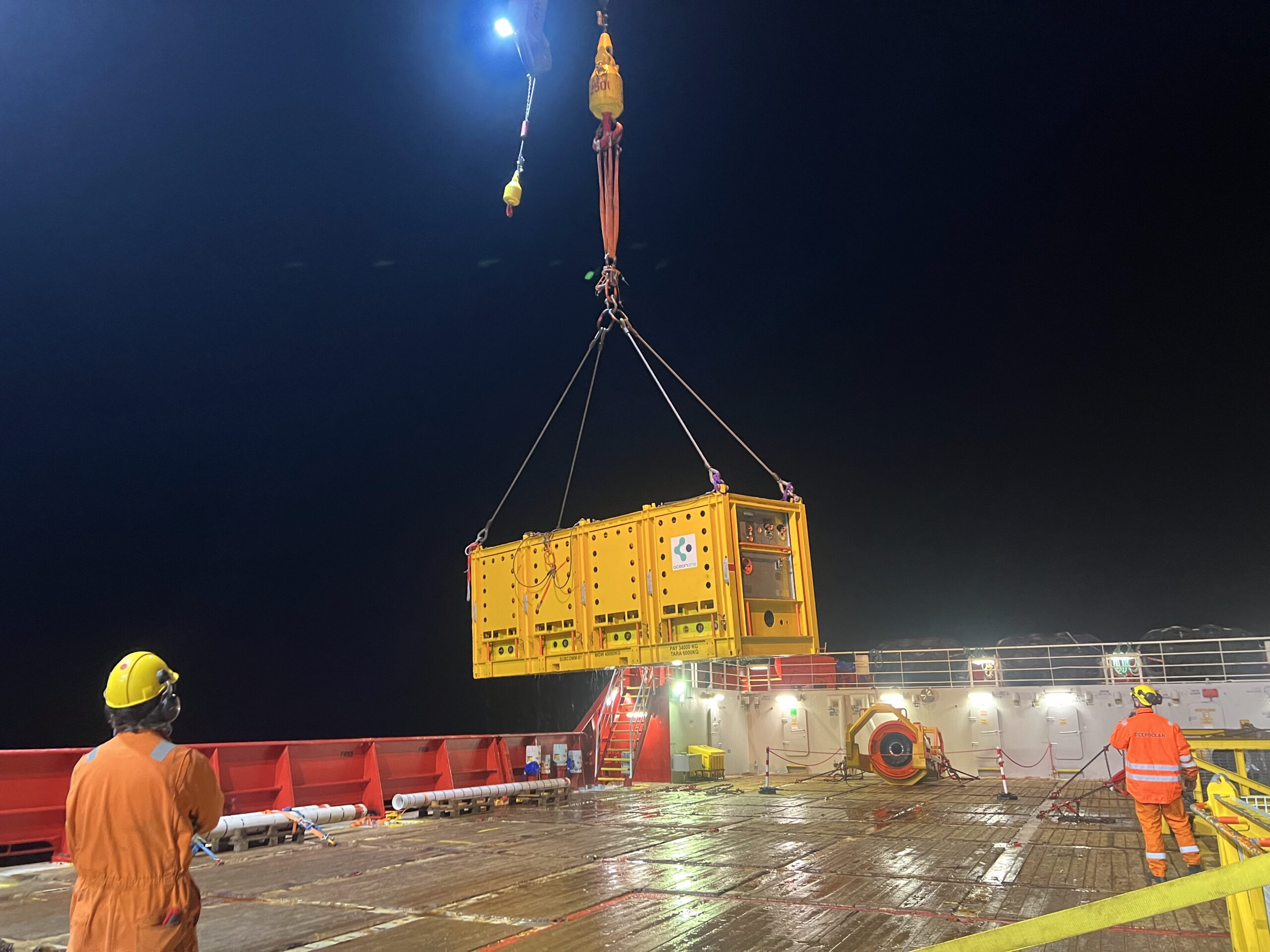
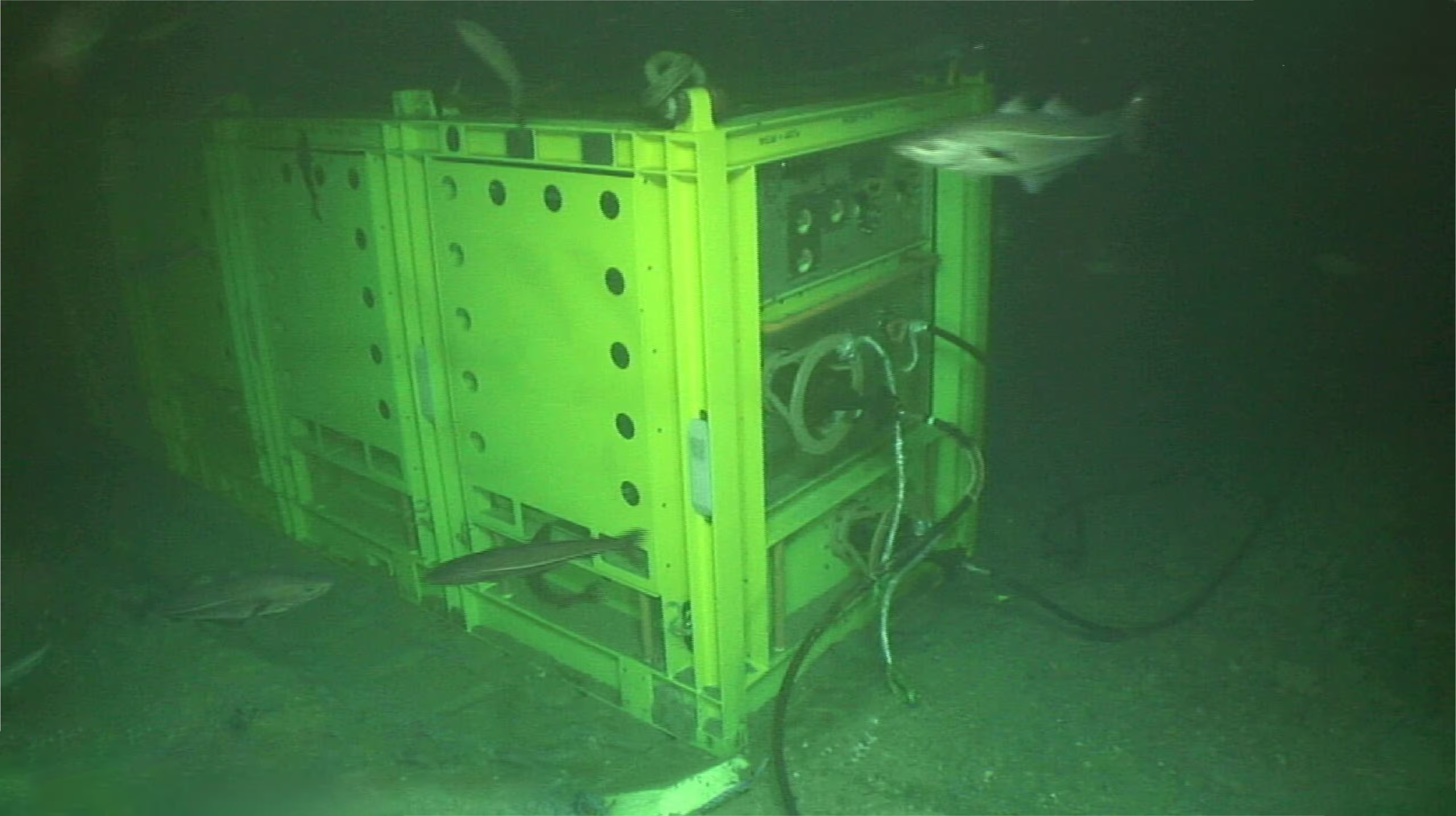
Approximately 28 m³ of methanol was loaded into the system prior to offshore execution. The SubComm system was deployed and connected to the riser base, enabling controlled injection directly into the flowline.
Injection was carried out through controlled pressure cycling, including:
- Depressurisation of the flowline
- Methanol injection
- Hold periods to allow interaction with the hydrate
- Gradual depressurisation and repetition of cycles
This method enabled controlled exposure of the hydrate to methanol while maintaining pipeline integrity and full operational control.
During demobilisation, the vessel berthed at a quay with limited infrastructure, reflecting the reduced requirement for shore-side handling compared to conventional topside spreads. The reservoirs were drained in a controlled and efficient manner, without interference from other demobilisation activities.
Result
The operation was successfully executed in a safe, controlled, and efficient manner, meeting all operational and safety objectives.
The project successfully demonstrated:
- Safe handling and subsea storage of methanol in the SubComm system
- Reliable and controlled subsea chemical injection
- Effective execution of pressure cycling operations
- Significant reduction in operational risk through having no pressurization of volatile chemicals on deck
- Smaller EX-zone and less distinguishing equipment was needed
- Reduction in risk assessment on deck
This represents a significant step in developing alternative subsea flow assurance solutions. The ability to perform direct subsea chemical injections with a high degree of control supports future interventions where safety, efficiency, and reduced personnel exposure are critical.
Gallery